Emerging Trends in Online Dental Education: Accelerating Global Clinical Excellence
The old way of dental education—waiting for in-person seminars—can no longer keep pace with today’s fast-changing clinical demands. You need flexible, evidence-based online dental education that fits your schedule and advances your skills. In this post, you’ll see how emerging trends in virtual dental workshops, microlearning, and blended learning dentistry are reshaping continuing education for dentists worldwide—and how Dental ED’s ADA-certified courses can help you lead in your practice. Learn more.
Trends in Online Dental Education
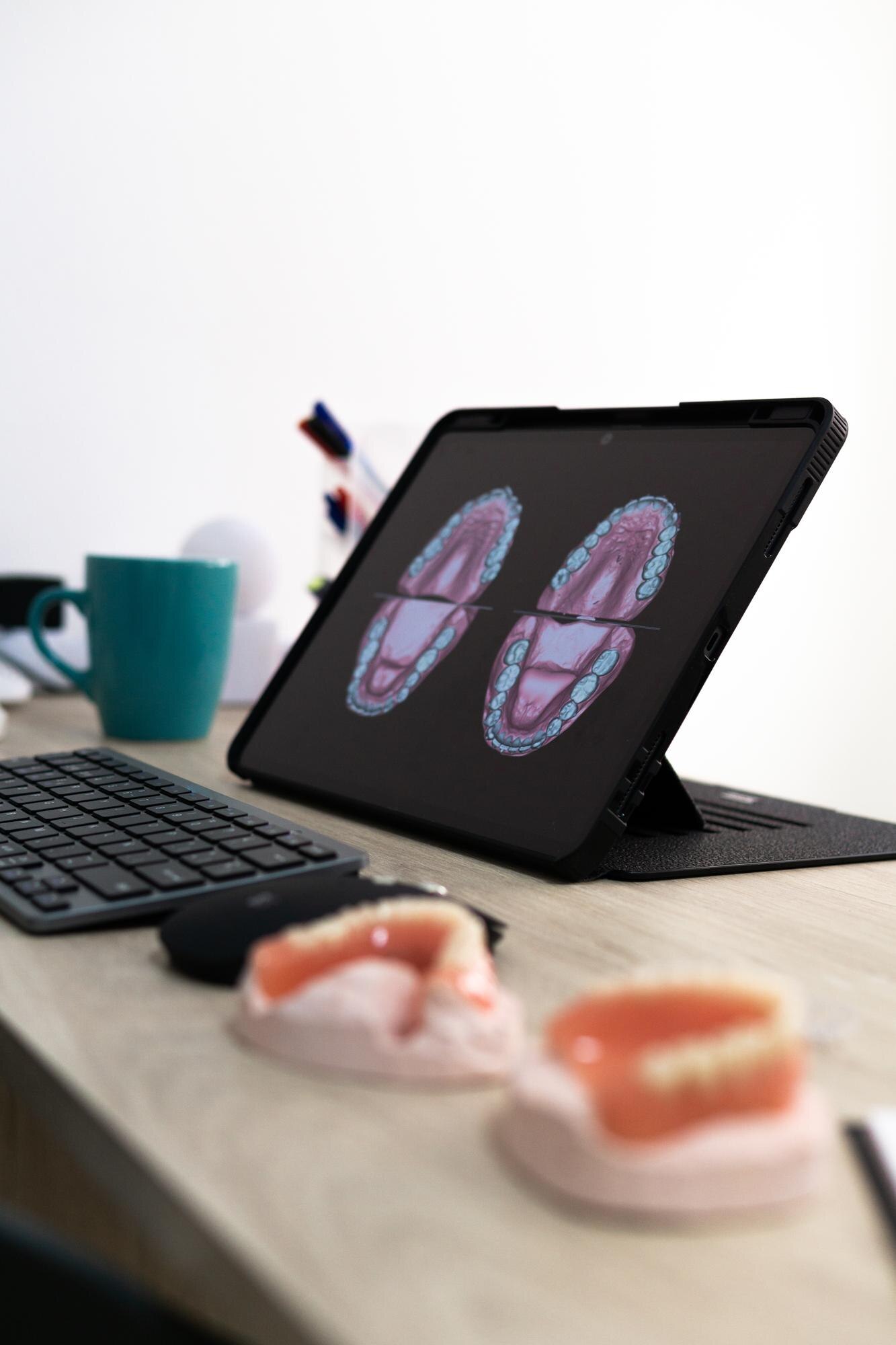
In the world of dentistry, learning never stops. Online platforms now make this journey more accessible and effective. Let’s explore the shifts that are reshaping how you can learn and grow in your practice.
Microlearning for Dentists
Imagine learning in short bursts, focusing on key points that matter most. This is the essence of microlearning. You get to absorb vital information in minutes rather than hours. A ResearchGate study found that microlearning can increase retention by up to 17% compared to traditional methods. These bite-sized lessons fit seamlessly into your busy schedule. Whether you’re between patients or on a quick break, microlearning ensures you keep advancing your skills. The best part? You can revisit these compact lessons whenever you feel the need to refresh your knowledge.
But don’t just take my word for it. A detailed research paper highlights how this method is transforming dental education globally. As you engage with microlearning, you’re not alone. Many dental professionals are integrating these lessons into their daily routines, finding it a game-changer for maintaining sharp, up-to-date clinical skills.
AI in Dentistry Education
Artificial intelligence is not just a buzzword—it’s a powerful tool for education. Picture AI as your personal tutor, guiding you through complex topics with ease. AI can evaluate your learning style and provide personalized feedback, making each lesson more effective. According to a ScienceDirect article, incorporating AI in education can facilitate a more interactive and adaptive learning environment. This means you can receive instant insights into your progress, allowing you to focus on areas that need improvement.
AI doesn’t just stop at theory. It simulates real-world scenarios, offering practice without the pressure. Imagine working through a complex case, with AI suggesting possible solutions. This proactive learning boosts confidence, preparing you for real challenges. As AI evolves, its role in dental education will only grow, offering ever more tailored and efficient learning experiences.
Benefits of Blended Learning Dentistry
Blended learning combines traditional and digital methods, giving you the best of both worlds. This approach empowers you to learn flexibly and effectively. Let’s dive into the core elements that make blended learning a standout choice.
Case-Based Learning Dentistry
Learning from real-world cases is invaluable. Case-based learning lets you explore new scenarios and treatment strategies. This method involves diving into actual patient cases, discussing them with peers, and finding the best solutions. According to Wiley Online Library, this approach not only enhances critical thinking but also improves diagnostic accuracy by 20%. You engage with real-life situations, analyzing each step and outcome. This hands-on style of learning ensures you’re ready for anything that comes your way in practice.
Sharing insights and perspectives with fellow dentists enriches this experience. Explore detailed studies that confirm the effectiveness of this method. As more dental professionals adopt case-based learning, they’re finding it a vital tool for honing skills and fostering a collaborative learning environment.
Hands-On Dental Workshops
Nothing beats the experience of working directly with tools and materials. Hands-on workshops are essential for mastering practical skills. These sessions offer an immersive learning experience, allowing you to practice techniques under expert guidance. For instance, a Tandfonline study shows that participating in hands-on workshops can enhance procedural skills by up to 25%. You get immediate feedback, refining your approach and boosting your confidence in executing procedures. These workshops are crafted to simulate real clinical environments, making the transition from learning to practice seamless.
Connecting with peers during workshops also builds a support network, encouraging continuous learning and growth. Dive into more about these workshops that are reshaping dental education. By participating, you’re not only improving your skills but also contributing to a vibrant community of learning.
Expanding Global Dental Networks

The dental community is more connected than ever before, thanks to online platforms. These networks offer immense opportunities for learning, collaboration, and growth. Let’s explore how you can become part of this global movement.
Virtual Dental Workshops
Virtual workshops break down geographical barriers, bringing global expertise to your doorstep. These sessions allow you to learn directly from leading experts, no matter where they are located. A report on virtual workshops found that they increase participation rates by 30%, making learning more inclusive and accessible. You can join from the comfort of your home, engaging in interactive sessions that mirror in-person workshops.
These virtual gatherings are more than just lectures—they are dynamic exchanges where you can ask questions, share insights, and collaborate on projects. Embracing virtual workshops ensures you’re always at the forefront of the latest dental innovations and techniques.
Peer-to-Peer Learning Dentistry
Learning from peers is a powerful way to expand your knowledge. Peer-to-peer learning encourages dentists to share experiences, challenges, and solutions. This collaborative approach not only builds a sense of community but also enhances learning through diverse perspectives. According to ScienceDirect, peer learning can improve problem-solving skills by up to 15%.
These interactions foster a supportive environment where you can freely exchange knowledge and ideas. Engaging with peers from around the world broadens your understanding and keeps you connected to the global dental community. As more professionals embrace this method, they find it invaluable for continuous personal and professional development.
In conclusion, the landscape of dental education is rapidly evolving. By integrating these new trends, you’re not only keeping pace with changes but leading the way in your field. Stay ahead and ensure your practice thrives by embracing these innovative learning opportunities.