
0
- No products in the cart.
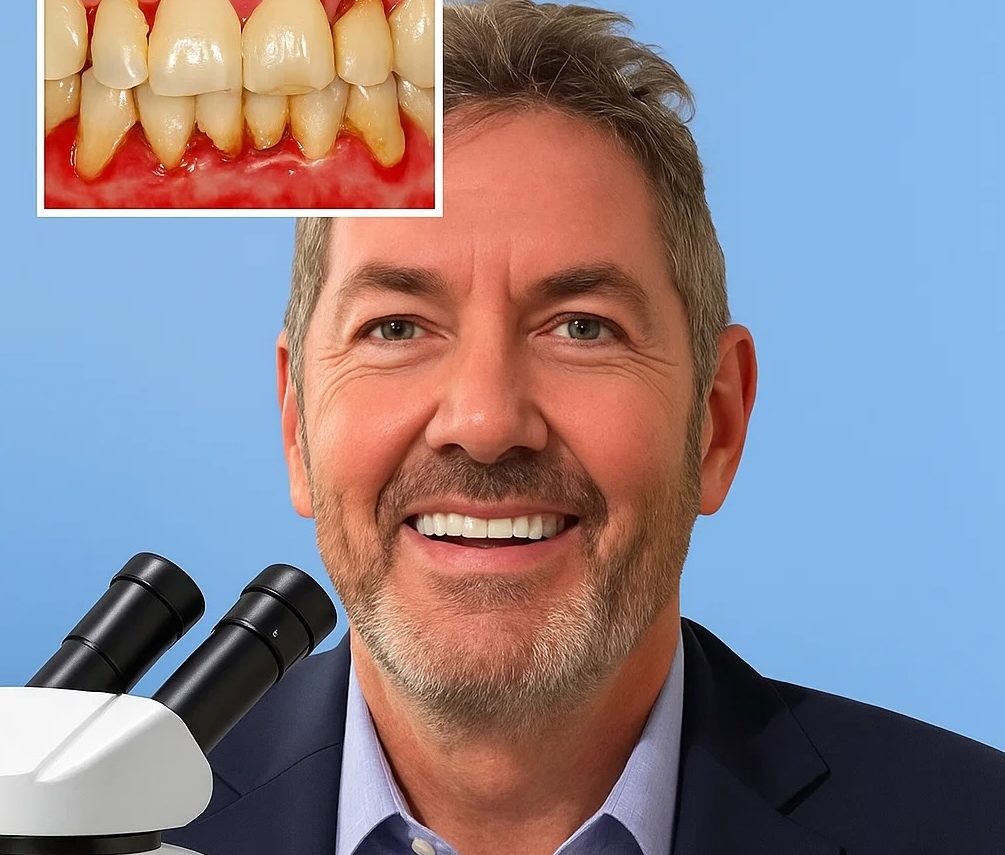
The Larkin Protocol

Instructor
Tom Larkin
Reviews
Course Overview
PROGRAM OVERVIEW
Download PDF
The Preventive Dentistry and Periodontal Wellness Program is a groundbreaking online educational series designed to redefine how dental professionals approach patient care. Built on the principles of the Larkin Protocol, this program bridges the gap between traditional clinical practice and modern preventive, science-driven dentistry.
Across twelve modules, participants will explore the evolution of preventive healthcare—from Dr. Charles Mayo’s early vision of medical–dental integration to today’s AI-driven diagnostic innovations. The curriculum empowers clinicians to move beyond reactive treatment toward a proactive model that emphasises early detection, risk assessment, and personalised prevention.
Core topics include the oral microbiome, value creation in hygiene, phase contrast microscopy, air polishing, diode laser therapy, and advanced periodontal protocols. Each concept is tied to practical application—helping teams integrate evidence-based technologies, refine workflows, and improve both clinical and financial outcomes. The program also delves into building collaborative alliances with physicians, developing patient-centred wellness plans, and structuring financially sustainable preventive models that enhance long-term loyalty and profitability.
Led by Dr. Tom Larkin, this course equips dentists and hygienists with the skills and strategies needed to thrive in a changing healthcare landscape. Participants will gain the confidence to implement cutting-edge diagnostics, streamline communication, and deliver outcomes that elevate the standard of care for every patient.
Modular Overview
1: Title: A Historic Moment for the Preventive Healthcare Model
Synopsis:
In 1915, Dr. Charles Mayo emphasized the essential connection between dentistry and medicine, urging dentists to take an active role in systemic health. More than a century later, the Medical–Dental Alliance for Health Advancement (MAHA) and Robert F. Kennedy Jr.’s preventive health mandate represent a renewal of this vision. This module explores how dentistry is positioned to lead in the modern preventive healthcare movement and why this moment is pivotal for the profession.
Learning Objectives:
- Review Dr. Charles Mayo’s 1915 address to dentistry and its enduring relevance to oral–systemic health.
- Explain the significance of MAHA and RFK Jr.’s preventive health mandate in shaping the future of healthcare.
- Discuss the opportunities for dentistry to reclaim its role at the forefront of prevention and integrated care.
2: Title: The Reactive vs. Proactive Healthcare Model
Synopsis:
Modern healthcare has largely rewarded reactive treatment—fixing disease after it occurs—rather than preventing it in the first place. Dentistry and medicine alike have been shaped by financial structures, insurance incentives, and hospital systems that favor procedures over prevention. At the same time, a growing consumer-driven movement is challenging this paradigm, with patients seeking greater control over their health outcomes. This module contrasts the reactive and proactive models and examines where dentistry can lead the shift.
Learning Objectives:
- Differentiate between reactive and proactive models of care in both medicine and dentistry.
- Analyze how financial incentives and insurance structures reinforce reactive treatment.
- Explore how consumer-driven demand for prevention is reshaping expectations and creating opportunities for dentistry.
3: Title: Creating Value in Hygiene
Synopsis:
Dental hygiene represents not only a major revenue center—often one-third of practice income—but also the engine that drives restorative care. Increasing hygiene compliance from 60% to 90% can double a practice’s gross income while improving patient outcomes. This module outlines a value-based hygiene model, highlighting advanced tools and services such as phase-contrast microscopy, salivary diagnostics, lasers, air polishing, and preventive product offerings that elevate both patient care and practice profitability.
Learning Objectives:
- Explain how hygiene compliance directly impacts both patient outcomes and practice financial performance.
- Identify value-added procedures—including microscopy, salivary diagnostics, and lasers—that enhance the hygiene department.
- Develop strategies for positioning dental hygiene as a preventive and revenue-driving cornerstone of the practice.
4: Title: The Oral Microbiome: What They Didn’t Teach You in Dental School
Synopsis:
The oral microbiome plays a central role in both oral and systemic health, yet it has been largely overlooked in traditional dental education. Understanding the balance between commensal bacteria and pathogens, as well as the concept of dysbiosis, is essential to modern preventive care. This module introduces the fundamentals of the oral microbiome and explains how the Larkin Protocol offers the most advanced yet simplified approach to preventing and treating gum disease.
Learning Objectives:
- Describe the composition of the oral microbiome and the difference between commensal and pathogenic organisms.
- Define dysbiosis and explain its importance in oral and systemic disease development.
- Evaluate how the Larkin Protocol leverages microbiome science to prevent and treat periodontal disease effectively.
5: Title: Phase Contrast Microscopy – A Foundational Tool
Synopsis:
First introduced by Dr. Paul Keyes in the 1960s, phase contrast microscopy has reemerged as one of the most valuable tools in preventive dentistry. Recent advances in technology and clinical techniques have made it easier than ever to integrate into daily practice. This fast, inexpensive method provides a direct view of the patient’s oral biofilm, serving not only as a diagnostic aid but also as one of the most powerful motivators for patient education and behavior change.
Learning Objectives:
- Review the history of phase contrast microscopy and its reintroduction into modern dental practice.
- Explain how microscopy provides critical insights into the oral biofilm and associated health risks.
- Demonstrate how this tool enhances patient education and treatment acceptance through visual engagement.
6: Title: Microscopy ID: The Risk Assessment Model
Synopsis:
Phase contrast microscopy becomes most powerful when paired with a structured risk assessment model. This module teaches dentists and hygienists how to identify key microscopic findings chairside—including bacteria, white blood cells, and parasites—and interpret them in the context of patient risk. Attendees will learn to grade slides from healthy/low-risk biofilms to high-risk pathogenic profiles, providing a clear framework for personalized preventive care and patient education.
Learning Objectives:
- Identify the major microscopic findings observable in oral biofilms, including bacteria, WBCs, and parasites.
- Apply a grading system to classify biofilm risk from low to high pathogenic potential.
- Use microscopy-based risk assessment to guide personalized preventive strategies and patient counseling.
7: Air Polishing Demystified
Synopsis
Air polishing is one of the most misunderstood yet underutilized tools in periodontal therapy. Currently, there are three major devices available, each with unique features and applications. In addition, a growing variety of powders—from glycine to erythritol—are changing the way clinicians approach both supragingival and subgingival biofilm management. Despite this, many providers struggle to integrate air polishing effectively due to confusion around equipment, powders, and technique.
In this module, Dr. Larkin will break down the complexities, demystifying the devices, powders, supplies, and techniques. Participants will gain clarity on how to select the right combination of equipment and powder for different clinical scenarios, and how to confidently apply these methods in both routine hygiene and advanced periodontal care.
Learning Objectives
By the end of this module, participants will be able to:
- Differentiate between the three major air polishing devices and understand their respective indications, benefits, and limitations.
- Evaluate the available air polishing powders and select the most appropriate option for supragingival versus subgingival applications.
- Apply proper air polishing techniques to improve biofilm removal, patient comfort, and clinical outcomes in both preventive and therapeutic settings.
RELEASE DATE FOR MODULE 8-12: MARCH 31 , 2026
8: Diode Laser Therapy
Synopsis
The diode laser has become one of the most valuable adjuncts in modern dental hygiene, offering both therapeutic and regenerative benefits. In periodontal care, diode lasers are used for laser pocket disinfection to target and reduce pathogenic bacteria within periodontal pockets. They are also applied in photobiomodulation therapy (PBM), stimulating cellular activity to reduce inflammation, accelerate healing, and promote tissue regeneration.
This module will cover how diode lasers work, why they are increasingly needed in preventive and periodontal care, and how dental hygienists can integrate them safely and effectively into clinical practice. Dr. Larkin will guide participants through the science, practical applications, and patient benefits of diode laser therapy.
Learning Objectives
By the end of this module, participants will be able to:
- Explain the basic science of diode lasers, including how they interact with soft tissues and microbial biofilms.
- Demonstrate the role of diode lasers in pocket disinfection and photobiomodulation as part of comprehensive periodontal therapy.
- Integrate diode laser therapy into hygiene protocols to improve treatment outcomes, patient comfort, and tissue healing.
9: Advanced Periodontal Therapy Protocols
Synopsis
Successful periodontal therapy requires more than individual tools—it depends on the proper sequencing and integration of therapies for maximum effectiveness. This module will focus on how to combine air polishing, antimicrobial rinses, diode laser therapy, and salivary/microbial testing into a unified, step-by-step protocol. Participants will learn how to strategically sequence these therapies to disrupt pathogenic biofilm, reduce bacterial load, support host response, and track clinical progress.
Dr. Larkin will provide clear guidance on evidence-based protocols, helping clinicians streamline treatment, improve patient understanding, and achieve more predictable outcomes in advanced periodontal care.
Learning Objectives
By the end of this module, participants will be able to:
- Describe the role of air polishing, antimicrobial rinses, diode laser therapy, and microbial testing in comprehensive periodontal protocols.
- Sequence these therapies effectively to maximize biofilm control, healing, and patient outcomes.
- Design customized periodontal treatment plans that integrate advanced protocols into daily practice.
10: Building the Dentist–Physician Alliance
Synopsis
This module explores practical, repeatable ways a dental team can partner with medical practitioners—from choosing secure software for data sharing, to hosting lunch-and-learns, to agreeing on which diagnostic tests and reports are exchanged—so patients experience truly integrated care.
Learning Objectives
By the end of this module, participants will be able to:
- Design a bidirectional referral and communication workflow (secure messaging/EHR portals, roles, and turnaround times) between dental and medical teams.
- Standardize a shared diagnostics set and report template (e.g., periodontal staging/bleeding indices, salivary pathogen findings, BP/A1c from chairside screening; and from medicine: HbA1c, ApoB/LDL-C, hs-CRP, Lp(a) when relevant) with clear “red-flag” triggers for referral.
- Implement an outreach plan to build partnerships (target practices, lunch-and-learn agenda, co-branded patient education, and simple metrics to track referrals and outcomes).
11: The Business of Prevention
Synopsis
Prevention is not only clinically valuable but also financially sustainable when structured correctly. This module examines how the preventive model in dental hygiene can be designed from a business perspective. Topics include how to charge appropriately for advanced preventive services, how to incorporate value-added offerings such as laser disinfection, salivary testing, and air polishing, and how to create patient-centered wellness plans that drive long-term loyalty. In addition, we will explore hygiene compensation models that align incentives for providers, balancing production goals with patient-centered prevention. The focus will be on building a financially viable model that supports both practice growth and improved patient health outcomes.
Learning Objectives
By the end of this module, participants will be able to:
- Analyze the financial considerations of incorporating advanced preventive services into the hygiene department, including charges and ROI.
- Evaluate different value-added services, wellness plan structures, and compensation schemes that enhance patient engagement, hygienist satisfaction, and practice profitability.
- Develop a sustainable prevention-based business model that integrates service fees, wellness plans, and hygienist compensation into a unified strategy.
12: The Future of Preventive Dentistry: Trends and Innovations
Synopsis
Preventive dentistry is undergoing rapid transformation, shaped by both political shifts and technological innovation. From legislative changes that expand the role of dental hygienists, to the integration of AI, salivary diagnostics, and minimally invasive therapies, the future is moving toward personalized, prevention-centered care. This module will explore emerging tools, evolving techniques, and the broader healthcare landscape that will define prevention in dentistry for the next decade
What You'll Learn?
- Gain a clear, modern framework for shifting from reactive dentistry to a preventive, wellness-driven model that improves both clinical outcomes and long-term practice profitability.
- Learn how to implement evidence-based preventive technologies and protocols that increase patient engagement, treatment acceptance, and hygiene value creation.
- Develop the confidence to position your practice as a leader in oral–systemic health, strengthening trust, loyalty, and professional credibility with patients and medical colleagues.
- Acquire practical tools to standardise workflows, enhance team communication, and deliver predictable, repeatable preventive care across the entire practice.
- General dentists seeking to expand their preventive and periodontal services while improving practice sustainability and differentiation.
- Dental hygienists looking to elevate their clinical role, professional value, and contribution to patient outcomes through advanced preventive protocols.
- Practice owners aiming to redesign hygiene and prevention as a growth engine rather than a cost centre.
- Dental teams interested in integrating oral–systemic health concepts and collaborating more effectively with medical practitioners.
- Clinicians who want practical, implementable systems—not theory—to future-proof their practices.
- A current dental license or active role within a dental practice (dentist, hygienist, or clinical team member).
- Basic understanding of periodontal disease and routine hygiene procedures.
- Willingness to adopt a prevention-focused mindset and evaluate existing clinical and business systems honestly.
- Access to standard dental operatory equipment; advanced technologies are recommended but not mandatory to begin implementation.
- Commitment to applying concepts progressively within clinical workflows rather than treating the course as purely academic.
- Twelve on-demand video modules led by Dr. Tom Larkin, structured for immediate clinical application.
- Downloadable clinical protocols covering microscopy, air polishing, diode laser therapy, and advanced periodontal sequencing.
- Risk assessment frameworks and patient education tools to support case acceptance and behavioural change.
- Workflow and business model guides for implementing financially sustainable preventive services.
- Supporting reference materials, visual aids, and implementation checklists to assist whole-team adoption.
Course Content
- Module 1: A Historic Moment for the Preventive Healthcare Model
- Module 2: The Reactive vs. Proactive Healthcare Model
- Module 3: Creating Value in Hygiene
- Module 4: The Oral Microbiome: What They Didn’t Teach You in Dental School
- Module 5: Phase Contrast Microscopy – A Foundational Tool
- Module 6: Microscopy ID: The Risk Assessment Model
- Module 7: Air Polishing Demystified
- Module 8: Diode Laser Therapy
- Module 9: Advanced Periodontal Therapy Protocols
- Module 10: Building the Dentist–Physician Alliance
- Module 11: The Business of Prevention
- Module 12: The Future of Preventive Dentistry: Trends and Innovations